
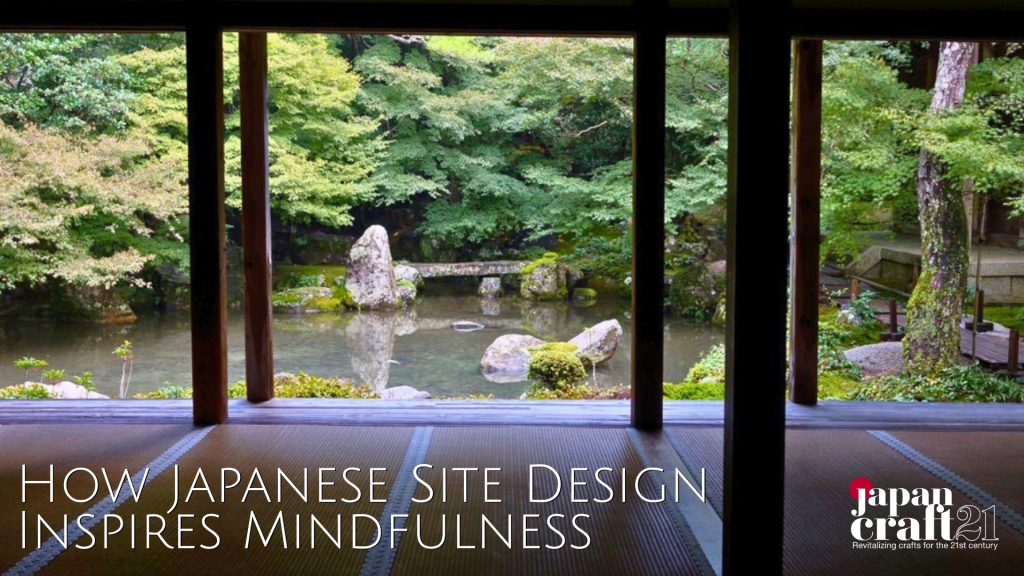
Online program held in collaboration with the Japan Society of Northern California
Discover how Japanese aesthetics invites us not merely to observe, but to participate. Through gardens, architecture, ink painting, Noh theatre, and the quiet thresholds of traditional homes, this presentation explores concepts such as yugen (the power of the unseen), ma (meaningful space), and michiyuki (the experience of moving through space). From anime genius Hayao Miyazaki’s imaginative worlds to centuries-old ink paintings, stepping-stone paths, shōji screens, and the changing light on mud walls, we will consider how Japanese design slows the mind, softens boundaries between self and surroundings, and turns the viewer into an active co-creator. This visual journey offers both inspiration and practical insight into creating richer, more mindful experiences of place.
Beimel and his team at JapanCraft21 are passionately committed to revitalizing traditional Japanese arts. Don’t miss your chance to learn about Japanese aesthetics!
Date & Time: Thursday, September 10th from 5-6:30 PM PT / Friday, September 11th from 9-10:30 AM JT
Venue: Online via Zoom (You will receive the Zoom link after registration)
Agenda (PT):
5:00-5:05 PM Opening Remarks
5:05-6:00 PM Presentation by Steve Beimel
6:00-6:10 PM Moderated Discussion led by Steve Pollock
6:10-6:25 PM Q&A
6:25-6:30 PM Closing Remarks
About the Speaker
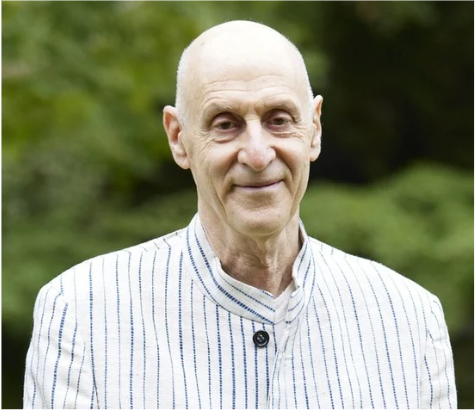
JapanCraft21 | Steve Beimel, Founder
Longtime Japanese resident Californian Steve Beimel has been involved with Japanese culture since the early 1970s. In 2018, he founded JapanCraft21 to identify viable but vulnerable traditional Japanese crafts and assist in their revitalization. They started Shinmachiya Juku, a free-of-charge school in Kyoto that teaches traditional construction skills to working carpenters and plasterers, and a program that supports apprenticeship in vulnerable craft genres. Additionally, they hold national contests in support of talented craftspeople. Their Craft Leader Program promotes the work of their 30 contest winners to date. Steve recently retired from Esprit Travel and Tours, a U.S.-based Japanese culture-focused tour company that he founded in 1992. At Esprit, he connected travelers from around the world with talented and gracious Japanese people, enabling them to encounter the richness and beauty of Japanese culture. Prior to that, Steve ran a large U.S.-based wholesale plant growing operation with Japanese partners, serving the landscape construction industry during California’s construction boom years. He holds an M.A. in Applied Counseling Psychology, and he currently lives in the Kyoto foothills with his wife of over 42 years, Ritsuko, an ikebana instructor.